Electrical Lineman Work is a Skilled Trade that Cannot Be Done by AI
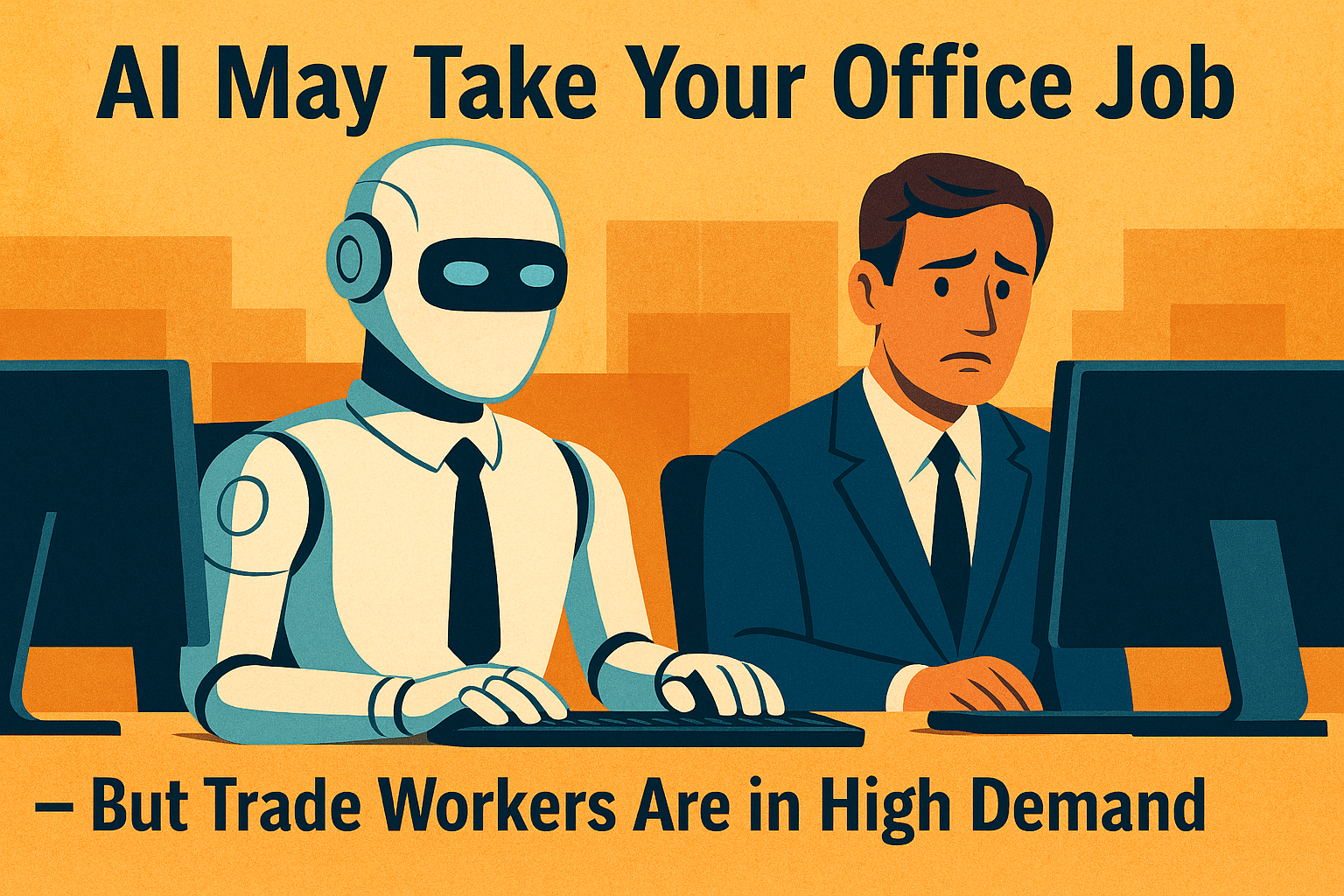
Everyone’s talking about which jobs AI will replace. The answer might surprise you: it’s not the jobs you’d expect.
Accountants, paralegals, data entry clerks, customer service reps, content writers—these desk jobs are facing the biggest disruption. Meanwhile, electricians, linemen, and other skilled tradespeople are watching their job security grow stronger, not weaker.
Here’s why.
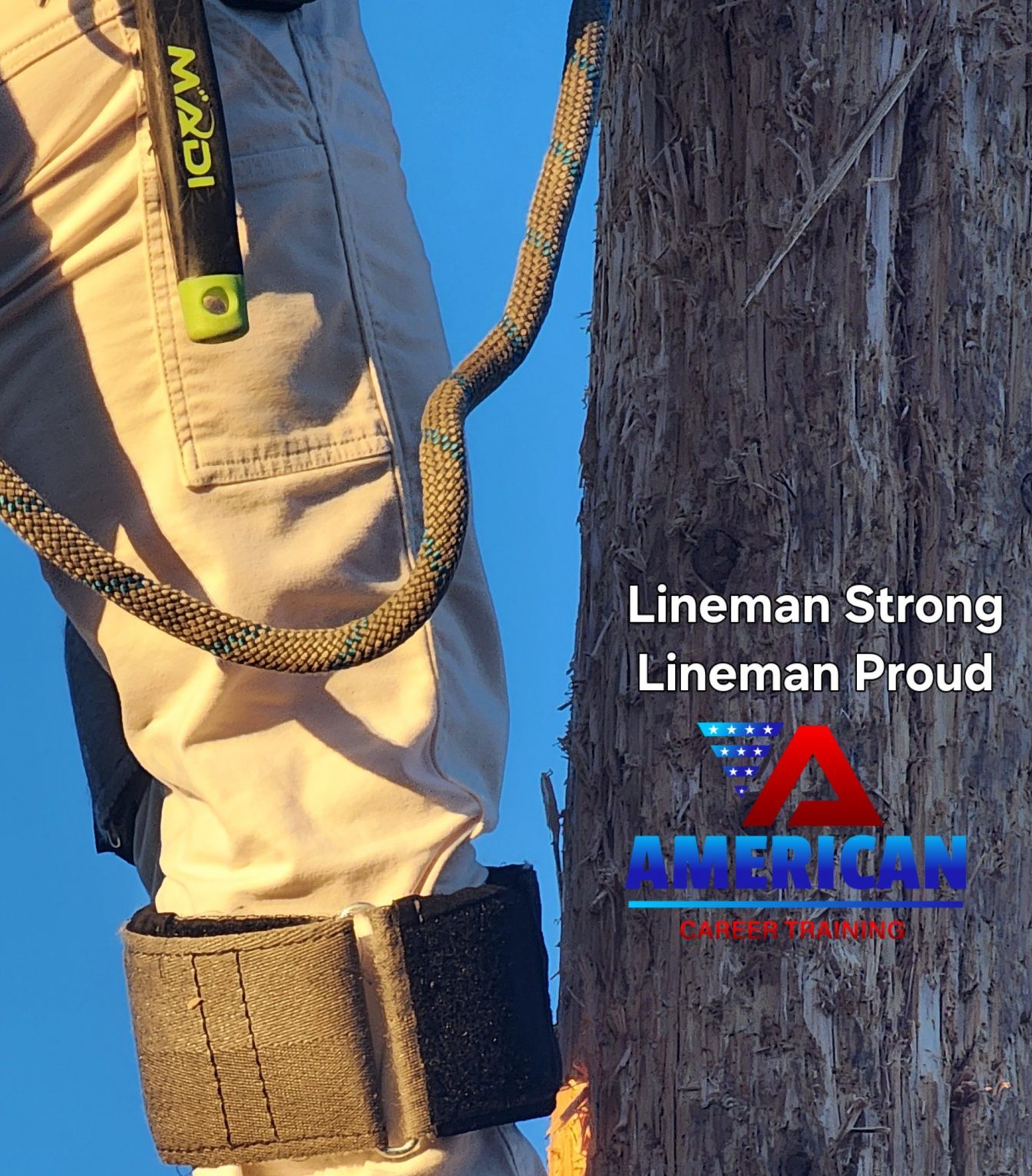
AI Can’t Climb a Pole
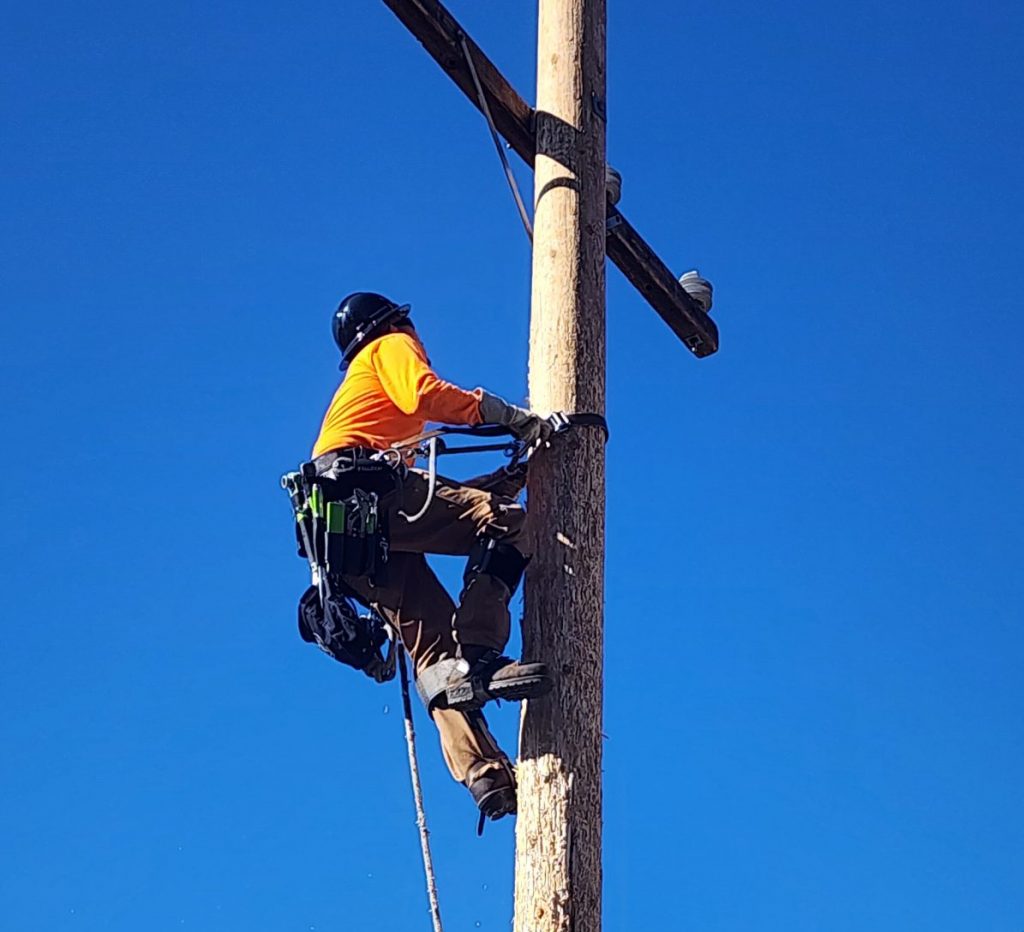
Artificial intelligence is exceptional at processing information, recognizing patterns, and performing repetitive digital tasks. What it cannot do is show up to a job site, assess a unique situation, and solve a problem with its hands.
Every electrical panel is different. Every utility pole presents new challenges. Every job site has variables that no algorithm can predict—weather, aging infrastructure, cramped spaces, unexpected complications.
The Bureau of Labor Statistics projects 11% growth for electricians through 2033, with nearly 80,000 job openings annually. These aren’t jobs at risk of automation. They’re jobs that require exactly what AI lacks: physical presence, real-world problem-solving, and the ability to adapt on the fly.
The Irony: AI Actually Increases Demand for Skilled Trades
Here’s what most people miss—the AI revolution doesn’t threaten skilled trades. It fuels demand for them.
Every data center powering AI needs electricians to build and maintain it. Every electric vehicle charging station requires skilled installation. Every smart home, solar panel, and automated system needs a trained professional to make it work in the real world.
The technology everyone fears is actually creating more opportunities for people who work with their hands.
Skills You Can’t Automate
What makes a career truly secure in 2026 and beyond? According to workforce researchers, it comes down to capabilities AI simply cannot replicate:
Physical dexterity in unpredictable environments. A robot might work on a factory floor, but it can’t navigate a crawl space, troubleshoot a 50-year-old electrical system, or make judgment calls when something unexpected happens.
Complex problem-solving that varies job to job. No two service calls are identical. Skilled tradespeople use critical thinking and experience to solve problems that don’t have pre-programmed solutions.
Human trust and presence. People don’t let robots into their homes or businesses. They trust trained professionals who can communicate, explain, and adapt to their specific needs.
The Smart Career Move Nobody’s Talking About
While millions of workers scramble to “upskill” in AI tools—competing with technology instead of working alongside it—a growing number of people are making a different choice.
They’re learning skills that AI cannot touch.
Recent reporting shows increased enrollment in trade programs as workers seek careers resistant to automation. Many are people with traditional degrees who found that their office jobs weren’t as secure as they thought.
The skilled trades offer something increasingly rare: career stability that doesn’t depend on outrunning the next software update.
Real Training for Real Jobs
At American Career Training, we prepare you for careers that will still be here—and thriving—regardless of how advanced AI becomes.
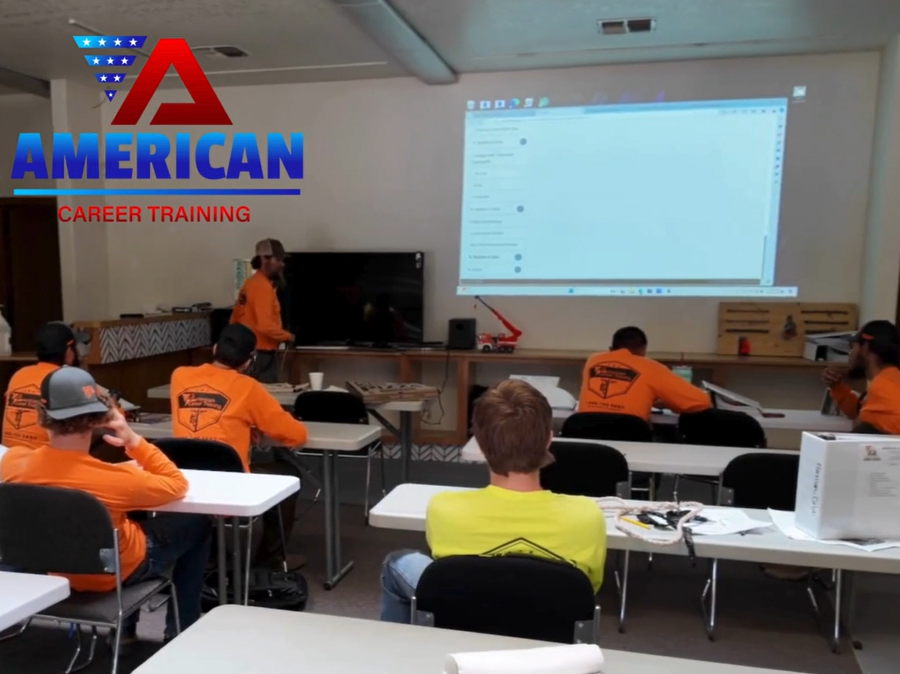
Our programs provide hands-on training for skilled trades that require physical expertise, critical thinking, and professional certification. These aren’t jobs that can be performed through a screen. They’re careers built on skills that only humans can provide.
The world will always need power. It will always need infrastructure. And it will always need trained professionals to build and maintain it.
The question isn’t whether AI will change the job market. It already has. The question is: what kind of career do you want to build?
[Contact American Career Training today to learn about programs that prepare you for a future-proof career.]