As featured on the Associated Press
American Career Training’s own Roger Smith was recently featured on AP News for his expertise in lineman training across Northern California. Here’s a deeper look at what that training actually involves — straight from the source.
People ask Roger Smith the same question all the time: Is lineman training as hard as it looks?
The honest answer is yes — and no. It’s hard in ways most people don’t expect, and it’s more achievable than most people assume. What separates the graduates from the dropouts isn’t raw strength. It’s the willingness to learn, follow direction, and show up with focus every single day.
At American Career Training in Redding, California, that reality becomes clear within the first week.
Electrical Linework Is Not Just a Physical Job
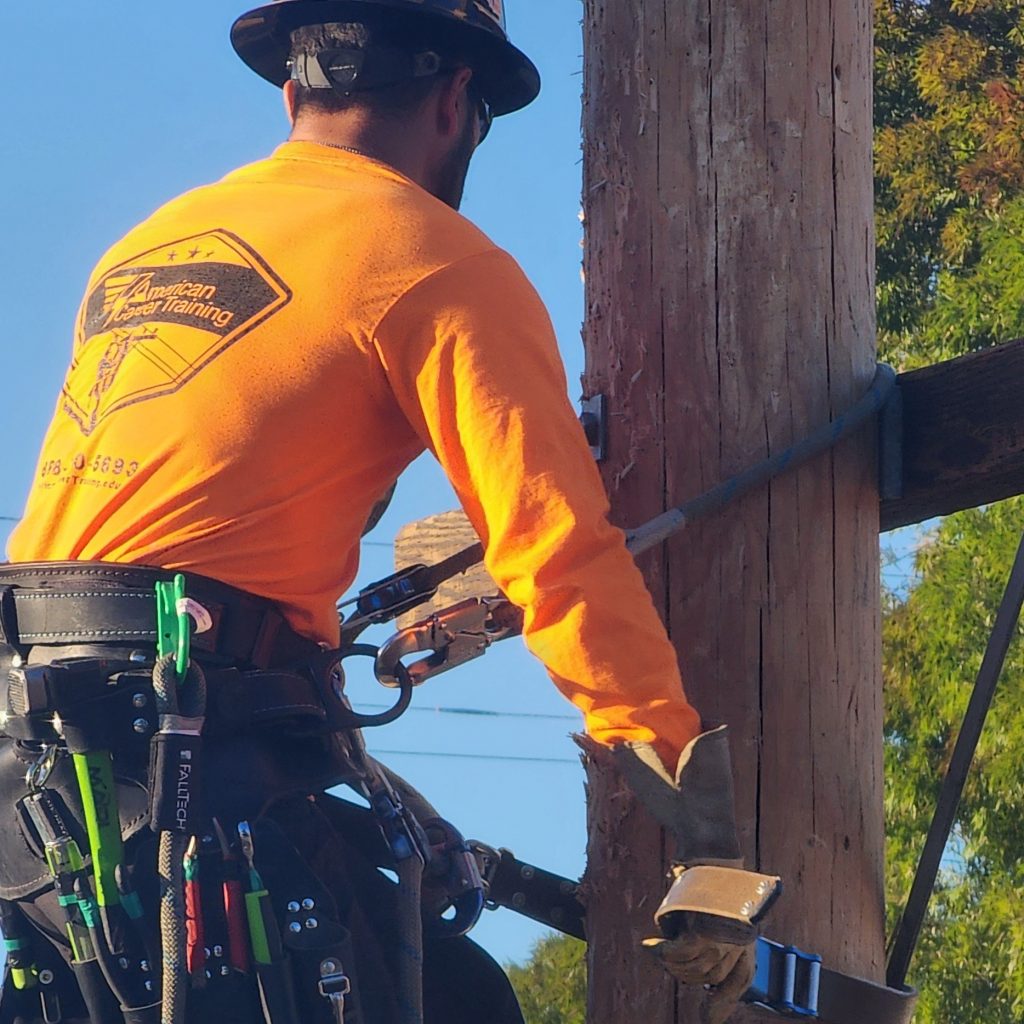
Lineman work draws people who love being outdoors and aren’t afraid of physical labor. But Electrical Lineworker training is a different animal than most physical jobs. From day one, students are managing tools and equipment at significant heights, reading the demands of live systems, and building the kind of mental discipline that keeps crews safe.
Northern California’s terrain and weather make this even more real. Redding students train through summer heat that pushes past 110 degrees, winter rain that makes every surface slick, and valley winds that test your balance on the pole. That’s not a flaw in the program — it’s the design. Instructors use actual conditions to teach students how to work with their environment rather than fight it. Gloves stiffen in cold weather. Belts get slick in rain. Wind affects your balance during climbs. Learning to manage those realities in training means you’re prepared when they happen on the job.
Safety Isn’t a Module — It’s the Foundation at this Lineman School
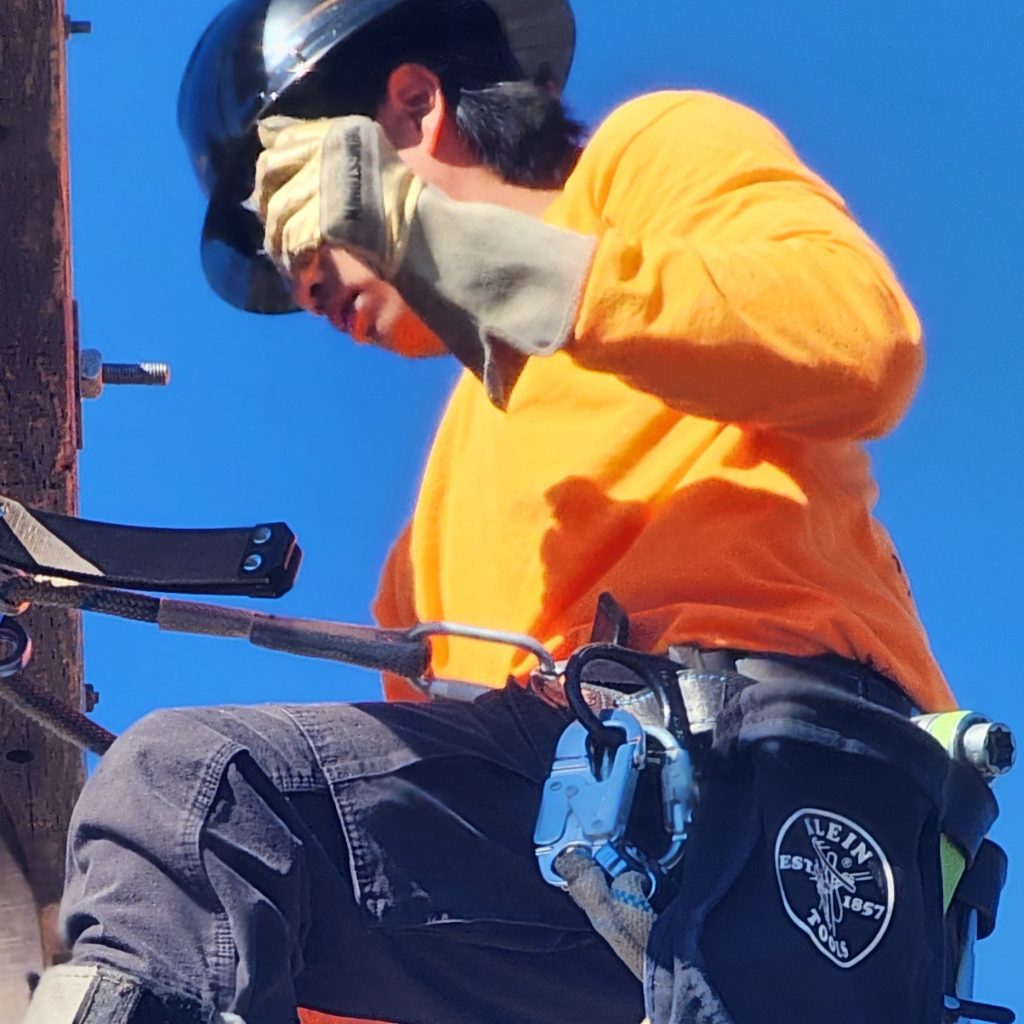
At ACT, safety and consistency are introduced on day one and never leave the conversation. Students learn early what experienced linemen know: most serious accidents begin with a small oversight. That’s why discipline and attention to detail aren’t just emphasized — they’re built into the culture of every training day.
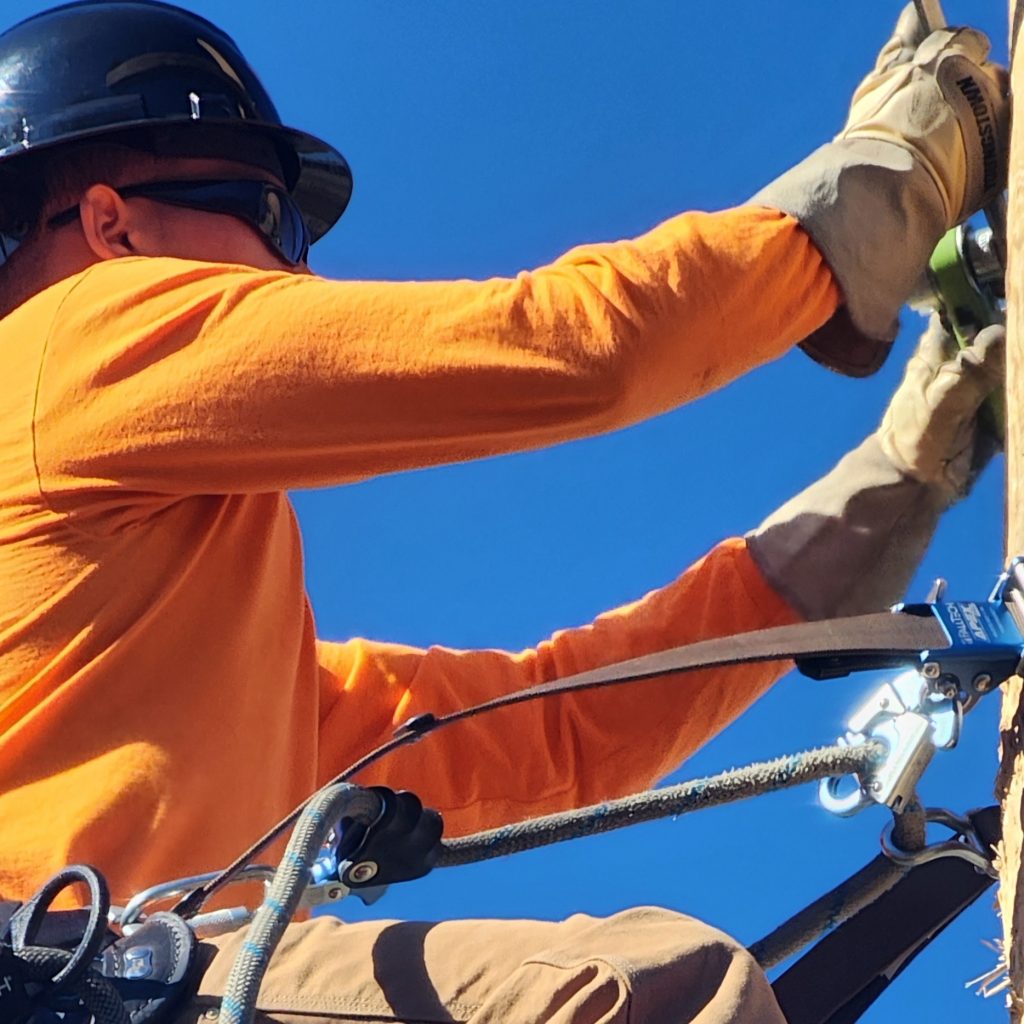
The program includes first aid, CPR, and electrical safety certification as part of the core curriculum. Rescue simulations and group drills aren’t just checkboxes — they build muscle memory that students carry directly into fieldwork. By the time graduates are 40 feet up on their first professional job, their hands already know what to do.
The Field Work Is Where It Clicks
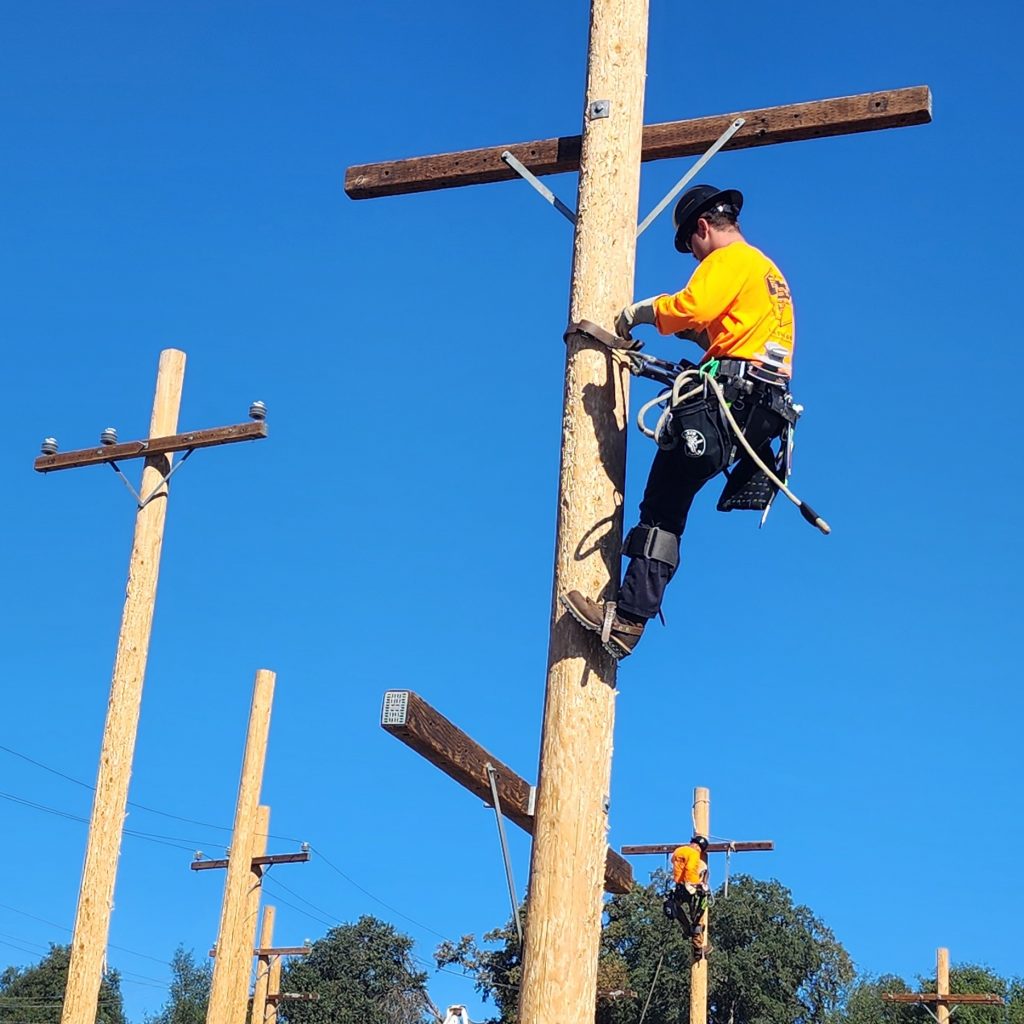
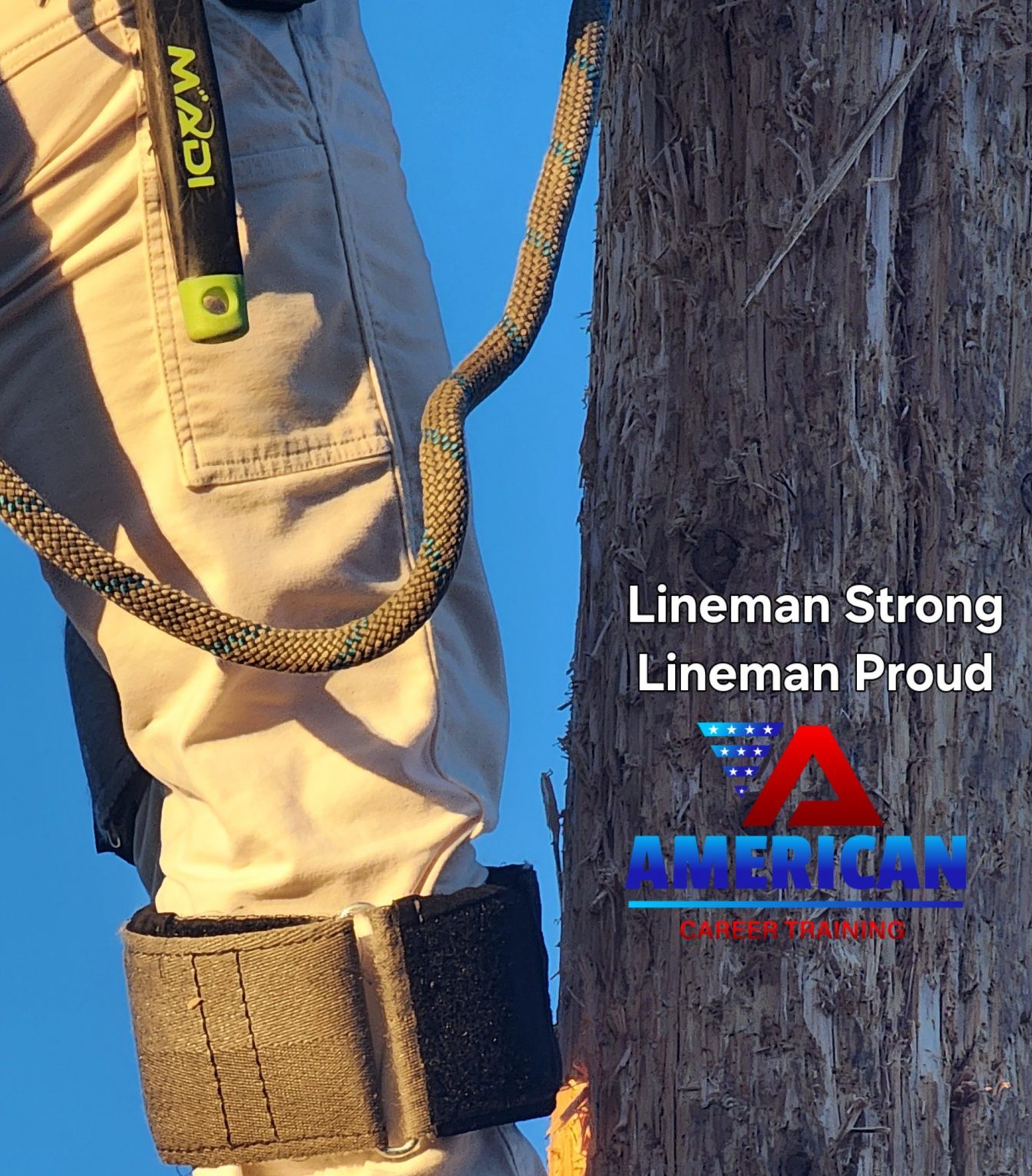
Classroom instruction matters. But most students will tell you the field component is where everything connects. Climbing practice introduces techniques that reduce fatigue and prevent injury with every motion — adjusting a belt, securing a hook, testing a step. Roger Smith describes the transformation this way: as students gain experience, their movements become more fluid and efficient. That rhythm — built through repetition — reduces effort while sharpening precision. It’s a skill set that transfers directly from the training yard to the job site.
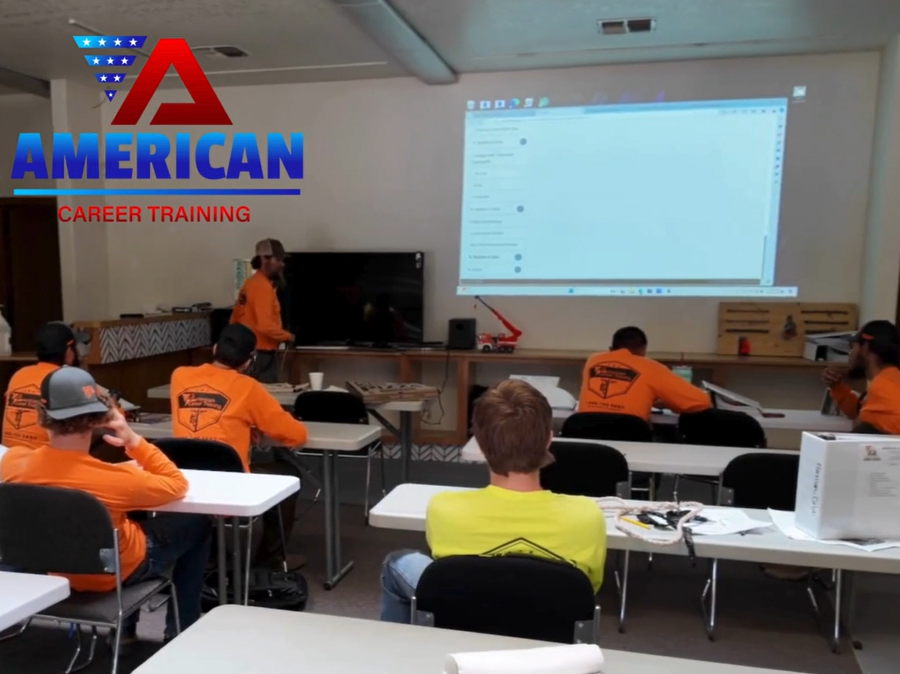
ACT’s campus in Redding features real equipment: live-voltage simulation, multiple pole configurations, underground cable systems, bucket truck operations, and transformer installations. Students aren’t watching videos or working on outdated simulators. They’re climbing, rigging, and working — every training day.
Smaller Classes, More Time on the Poles
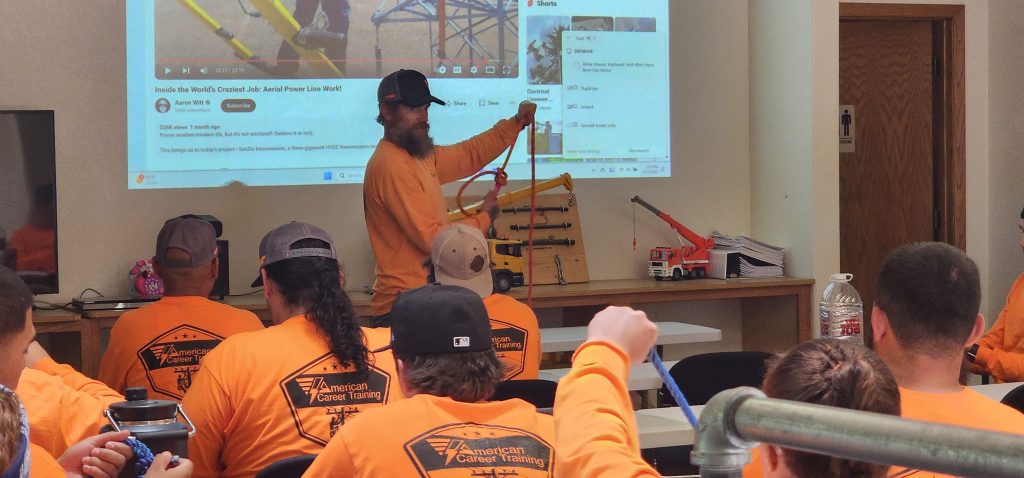
Most trade schools fill classrooms with 30 to 40 students. ACT keeps class sizes intentionally small, because lineman work isn’t learned from a textbook. More students means more time waiting for your turn. At ACT, students get more one-on-one instruction from instructors who have worked the trade, more repetitions on the equipment, and the kind of personalized feedback that builds real confidence — not just a certificate.
Teamwork Is Non-Negotiable
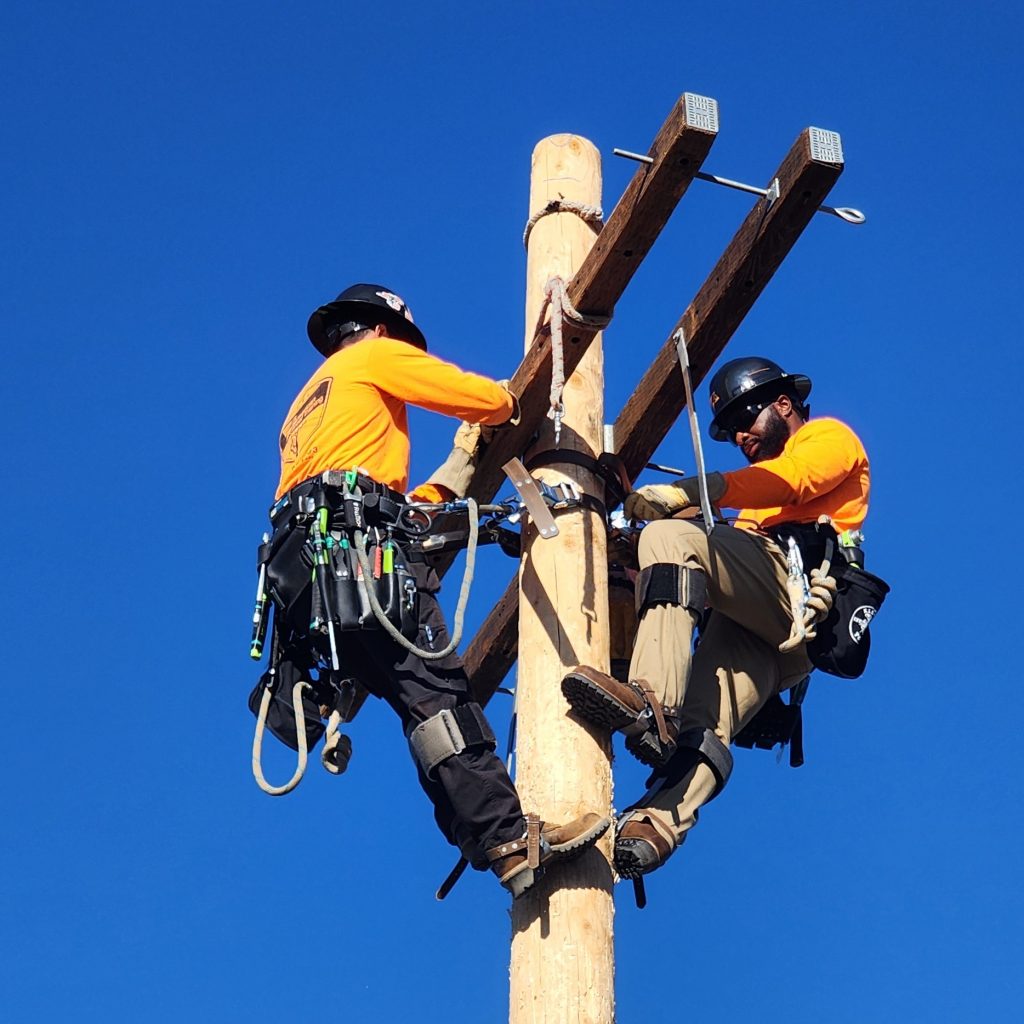
No task in the field is done alone. Electrical lineworker training at ACT reflects that from the start. Rescue simulations and group exercises are built around clear communication and mutual support. Students learn to trust their equipment, trust their team, and develop the steady judgment that employers across the industry demand from a California lineman.
15 Weeks to a Career — With CDL Included
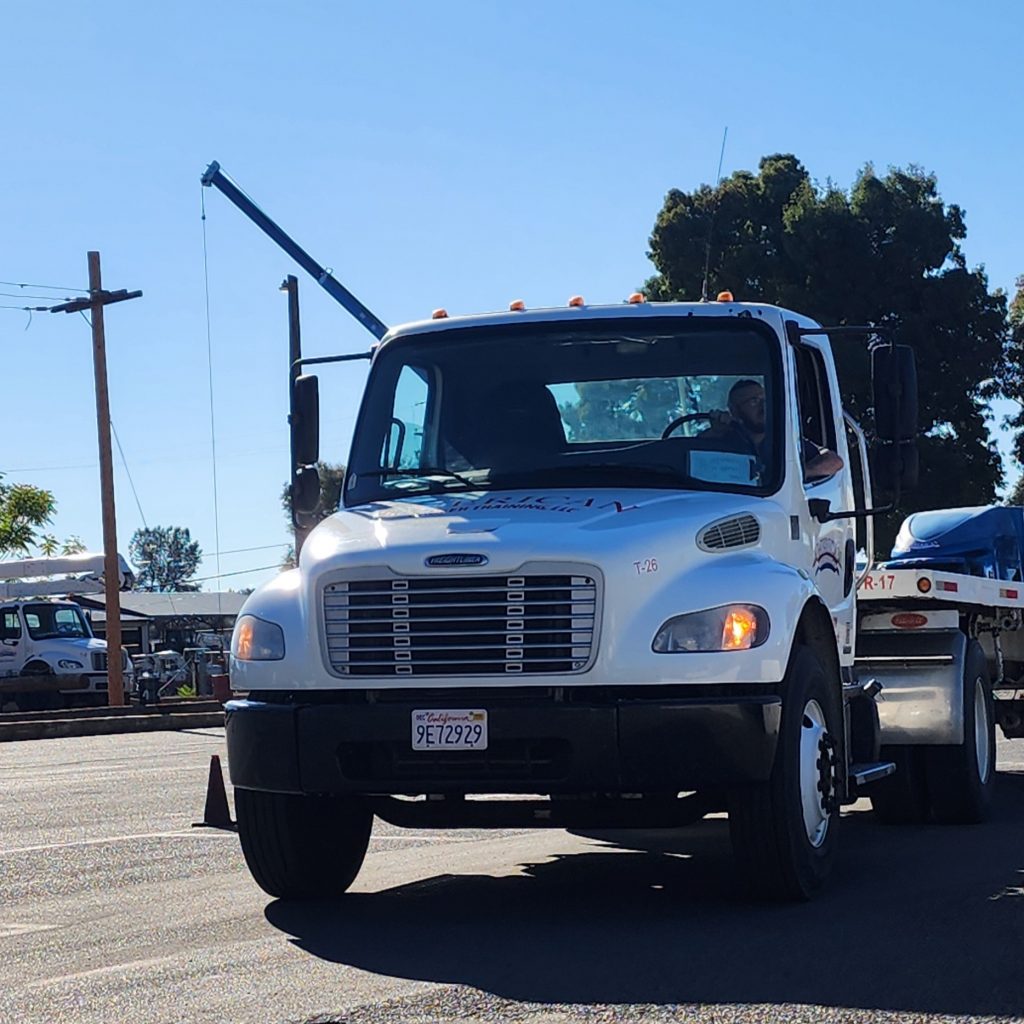
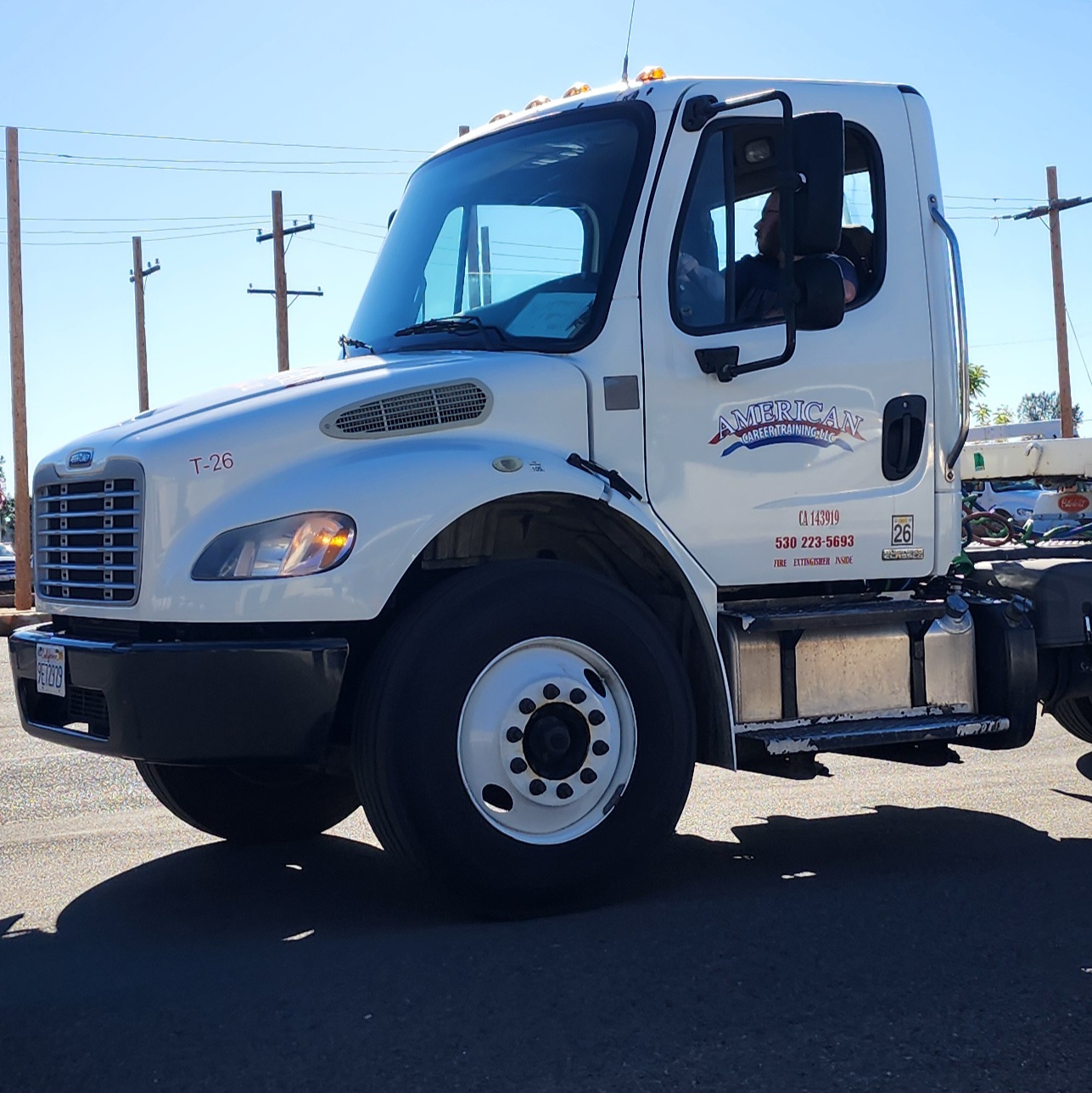
Here’s something most lineman schools won’t mention upfront: you can’t work as a lineman without a Commercial Driver’s License. Bucket trucks, digger derricks, and utility vehicles all require one. Many graduates from other programs finish training and then discover they need to spend additional time and money getting their CDL before they can even apply.
ACT’s 15-week Electrical Lineworker Program includes full CDL training and testing. Graduates walk out the door with their lineman certifications and their CDL — job-ready, no extra steps.
With an 80% job placement rate and access to thousands of employer connections nationwide, many ACT students receive job offers before they even complete the program. Starting salaries range from $78,000 to $87,000, with experienced journeymen regularly earning over $115,000 when overtime is factored in.
Ready to See It for Yourself?
If you’re considering lineman training in Northern California, visit the Redding campus. Meet the instructors. Walk the training yard. Understand what the program will ask of you — and what it will give you in return.
The process is less about testing your strength and more about building your skill, awareness, and commitment to a trade that keeps Northern California powered.
Call (530) 223-5693 or visit americancareertraining.edu to schedule a tour.