You’ve done the hard part. You showed up. You followed orders when following orders mattered. You worked in conditions that would make most people quit before lunch. Now you’re separating — or you’re already out — and everyone’s telling you to “go to college.”
But here’s what the college brochures won’t tell you: a four-year degree takes four years. It can cost $80,000 or more. And it does not guarantee a job.
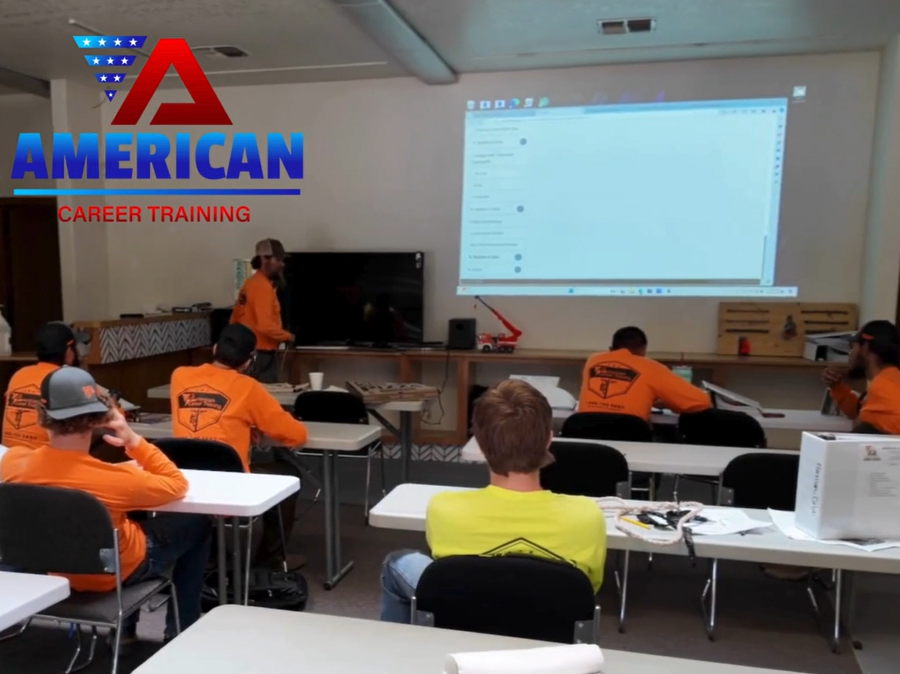
A 15-week program at American Career Training in Redding, California can put you on a utility crew — earning real money — before your buddies have finished their first semester of freshman English.
And the GI Bill pays for it.
Let’s talk about what that actually means — in real timelines, real careers, and one very concrete perk that most people don’t know about.
You Already Have the Skills. You Just Need the Credential.

Ask any foreman on a utility crew what they’re looking for and they’ll give you a short list: show up on time, follow safety protocols without being told twice, work in bad weather without complaining, and have your crew’s back.
Sound familiar?
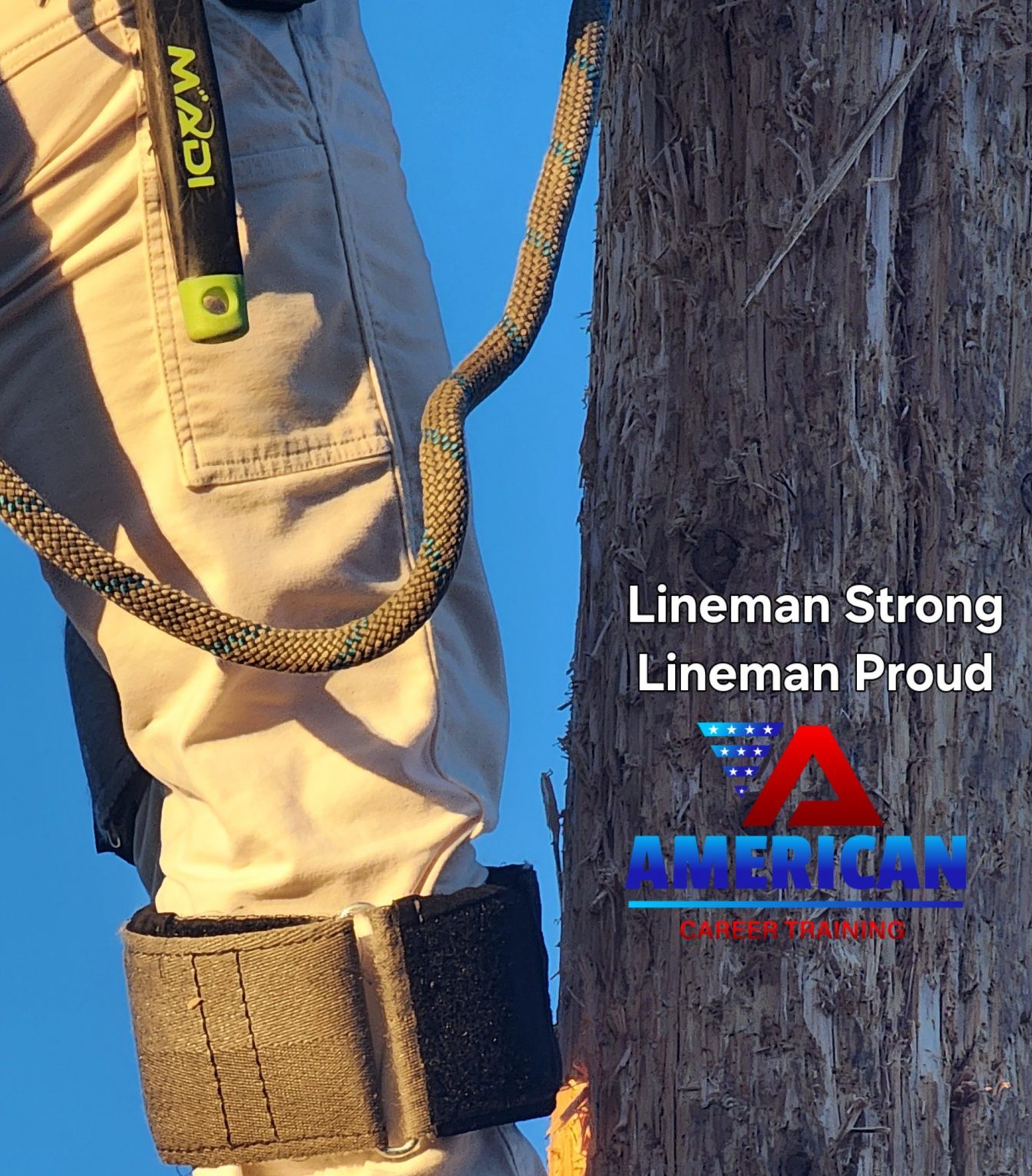
The military doesn’t just build discipline — it builds exactly the kind of worker that the electrical and transportation industries are desperately trying to recruit. Lineman crews operate under a command structure. They work at height, in extreme heat and cold, on tight deadlines, with lives on the line if someone cuts a corner. Veterans don’t need to be trained to take that seriously. They already know how.
The same goes for truck driving. Long-haul trucking requires patience, spatial awareness, the ability to operate heavy equipment under pressure, and the discipline to stay sharp on a 10-hour drive through the Nevada desert. The military has been training people for exactly that for decades.
What you’re missing isn’t ability. It’s the piece of paper that says you’re certified. That’s what American Career Training gives you — fast.
What the GI Bill Can Do for You at ACT
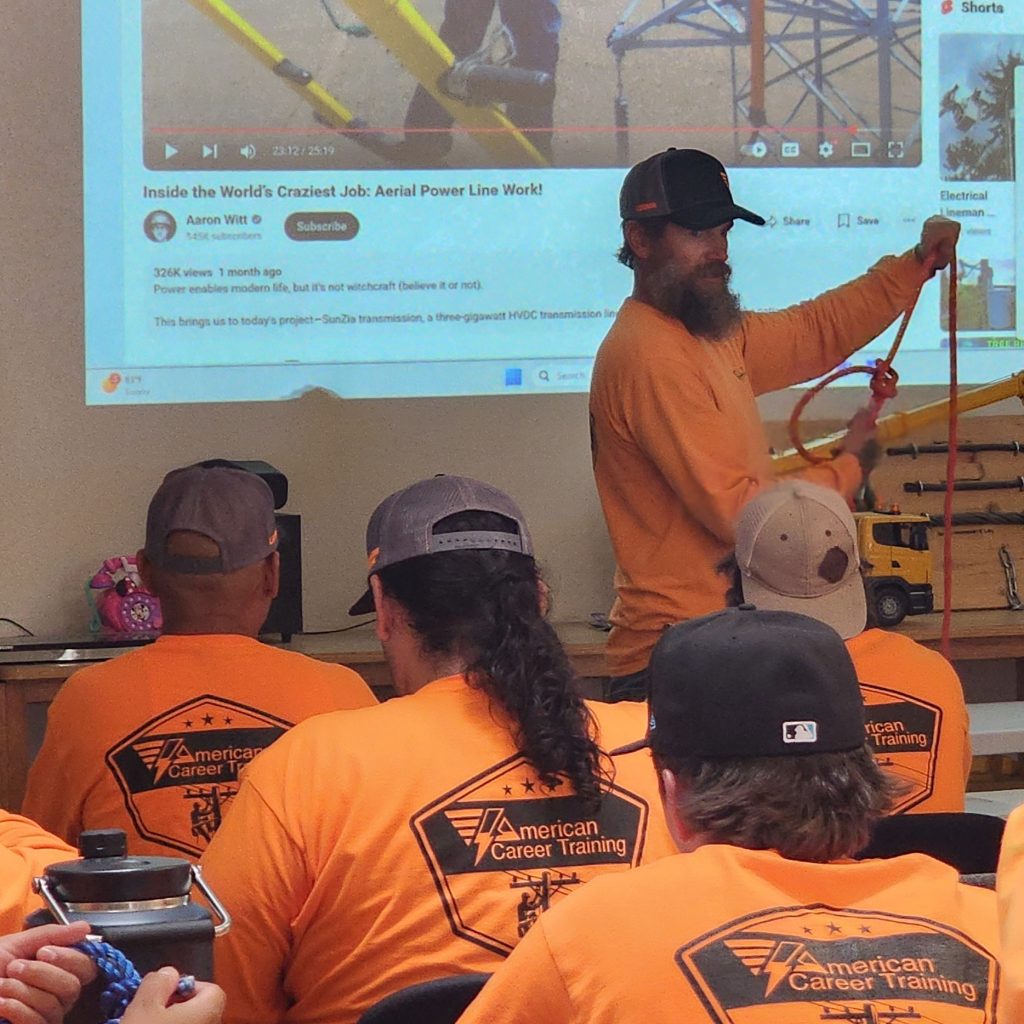
American Career Training is VA-approved for both the Lineman and Truck Driving programs. That means eligible veterans can apply their GI Bill benefits — including the Post-9/11 GI Bill (Chapter 33), one of the most comprehensive education benefits available — toward their enrollment.
Every veteran’s situation is a little different. How much of your tuition the GI Bill covers, and what additional benefits you may be eligible for, depends on factors like your length of service, discharge status, and which GI Bill program you’re using. The VA also offers benefits that can help with housing, books, and supplies during your training — but the specifics are yours to verify directly with the VA.
What we’d encourage you to do: use the VA’s GI Bill Comparison Tool at va.gov to look up American Career Training and see exactly what you’d be entitled to based on your own record. The numbers might surprise you.
And then call ACT’s admissions office. Their team works with veterans regularly and can help you navigate the paperwork, understand your Certificate of Eligibility, and figure out which benefit program makes the most sense for your situation. They’ve done this before.
One More Thing: ACT Covers Your Housing.
Here’s something that doesn’t get nearly enough attention: American Career Training provides housing for veterans enrolled in their programs.
That’s not a stipend. That’s not a reimbursement. That’s a place to stay — covered — so that where you’re going to sleep while you’re in school is one less thing on your plate.
For a veteran who is relocating, transitioning, or simply doesn’t have roots in the Redding area, this matters enormously. Training is intense. The last thing you need is to be burning energy figuring out temporary housing logistics while you’re trying to earn your CDL and lineman certification in 15 weeks.
It’s the kind of support that says: we actually thought about what veterans need, not just what sounds good in a brochure.
The CDL Bonus: You’re Getting Two Credentials for One GI Bill Spend

Here’s something that gets buried in most program descriptions: American Career Training’s Lineman program includes CDL (Commercial Driver’s License) training.
Most lineman positions — especially at the entry level — require a CDL. Line crews travel between job sites in equipment trucks. The ability to operate that equipment isn’t optional; it’s part of the job.
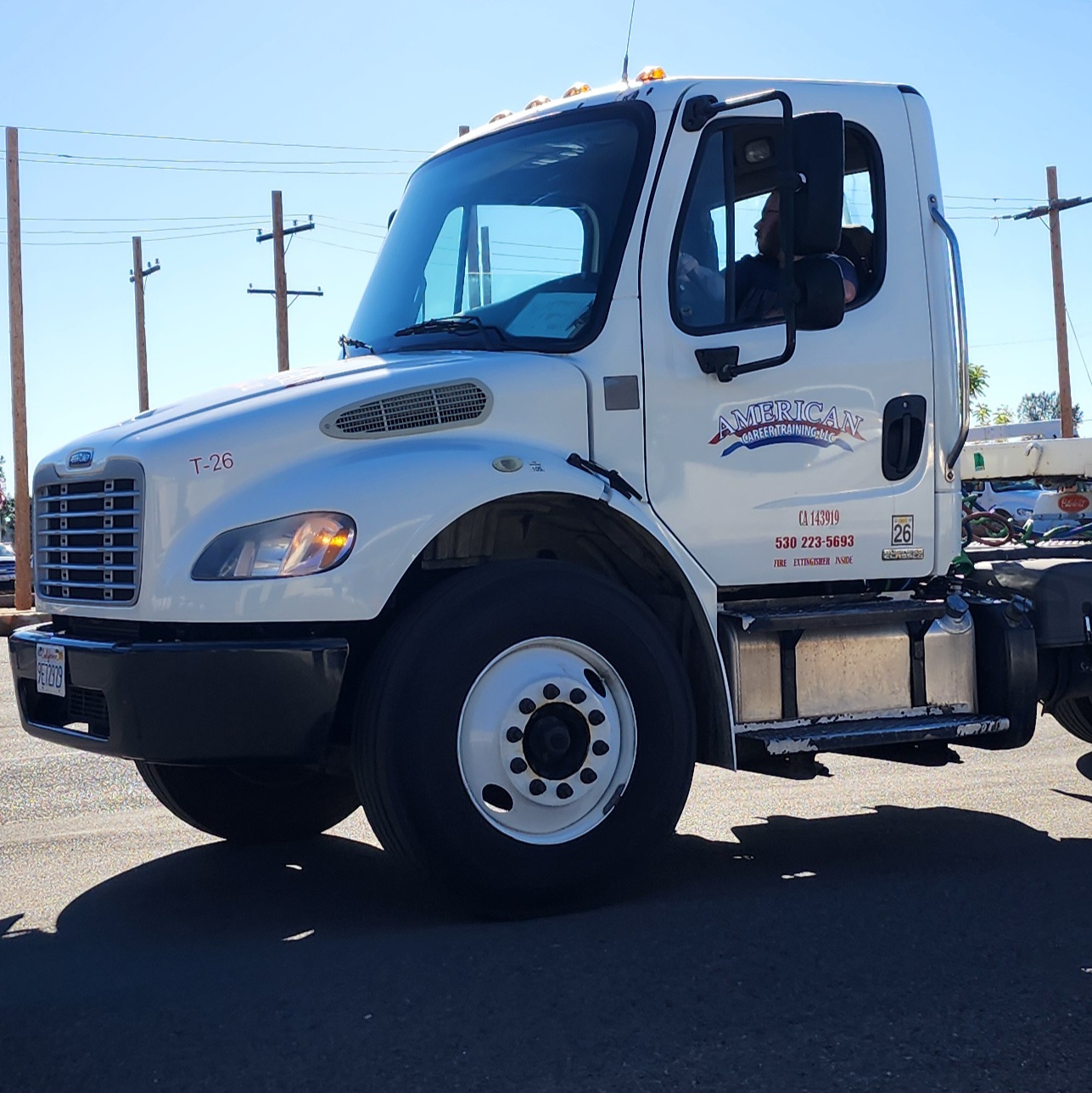
Most schools make you go get your permit separately and find your own road test provider. ACT trains you on their trucks, on their 4.5-acre paved campus, and takes you to the local DMV for your exam in their truck. You finish the program with both your lineman training and a Class A CDL.
Two credentials. One enrollment. One use of your GI Bill.
For a standalone CDL program anywhere else, you’d burn additional benefit months and pay out of pocket for things ACT already includes. Do the math.
15 Weeks vs. 4 Years: How to Use Your GI Bill Like a Smart Investor
Your Post-9/11 GI Bill gives you 36 months of benefits. That’s your budget. How you spend it is your call.
Option A: Four-year university. You burn all 36 months, take on additional debt for housing and expenses, and graduate with a degree in a field that may or may not be hiring — at a starting salary somewhere in the $40,000–$55,000 range if you’re lucky.
Option B: 15-week Lineman program at ACT. You spend roughly 4 months of your 36-month benefit. You graduate with a CDL and lineman training. Entry-level linemen typically start as ground crew or helpers, advancing through apprenticeship to Journeyman Lineman — a career path with starting wages in the $70,000–$90,000 range in California, with significant upside as you gain experience. You still have 32 months of GI Bill left to use if you ever want to pursue additional education.
One of these is a gamble. The other is a fast-track to a skilled trade that has been in critical shortage for a decade and shows no signs of letting up.
Why Redding, California? (And Why It Doesn’t Matter)
American Career Training is located at 8530 Commercial Way in Redding, California — a strategic position in Northern California with access to some of the highest-demand utility and transportation markets in the western United States.
But here’s the thing about becoming a lineman: the job takes you where the work is. Storm damage in Texas. New infrastructure in the Pacific Northwest. Solar and wind installations across the Southwest. ACT actively assists with job placement after graduation, connecting graduates with employers across the region — and graduates regularly relocate for optimal earning potential.
The GI Bill’s MHA is calculated based on where you train (Redding), not where you eventually work. So you get the Northern California stipend rate during your training, and then you go work wherever pays best. For veterans accustomed to PCS moves, relocating for a good job isn’t a hardship — it’s just Tuesday.
The Honest Bottom Line
You spent years doing a job that most people couldn’t do, for pay that didn’t reflect what you were worth. Now it’s your turn.
The skilled trades — linework especially — are facing a generational shortage. Experienced journeyman linemen are retiring faster than new ones are entering the field. Utilities are actively competing for qualified workers. You would be walking into a seller’s market for your labor, with skills that are genuinely essential and completely impossible to outsource to an algorithm.
The power grid does not run on artificial intelligence. It runs on people willing to climb 60 feet in a thunderstorm and get the lights back on. That’s not a job description — that’s a calling. And it sounds like someone you might know.
American Career Training | Redding, California
📞 (530) 223-5693 | (888) 700-5693
🌐 AmericanCareerTraining.edu
📍 8530 Commercial Way, Redding, CA 96002
Admissions Hours: Monday–Friday, 8:00 AM – 5:00 PM PST
GI Bill® is a registered trademark of the U.S. Department of Veterans Affairs (VA). More information about education benefits offered by VA is available at the official U.S. government website at va.gov. Benefit amounts vary based on eligibility tier, rate of pursuit, and other factors. Contact the VA or a veterans service organization for personalized benefit calculations.